
Call Us Today (949) 379-6250

Workplace harassment rarely occurs in isolation. In many cases, coworkers witness inappropriate comments, offensive jokes, exclusionary behavior, or outright misconduct long before a formal complaint is made. These individuals, often referred to as bystanders, can play a critical role in California workplace harassment claims, especially in Orange County, even when they are not the direct targets of the behavior.
A bystander is any employee who observes or becomes aware of harassment directed at another worker. This can include:
Bystanders do not need to be physically present for every incident. Knowledge gained through emails, messages, group chats, or repeated complaints can also establish bystander awareness.
Under California law, employer liability often depends on whether the employer knew or should have known about the harassment and failed to take appropriate action. Bystanders play a direct role in this analysis. When harassment is witnessed openly or discussed among staff, employers may be deemed to have constructive knowledge, even if no formal complaint was filed.
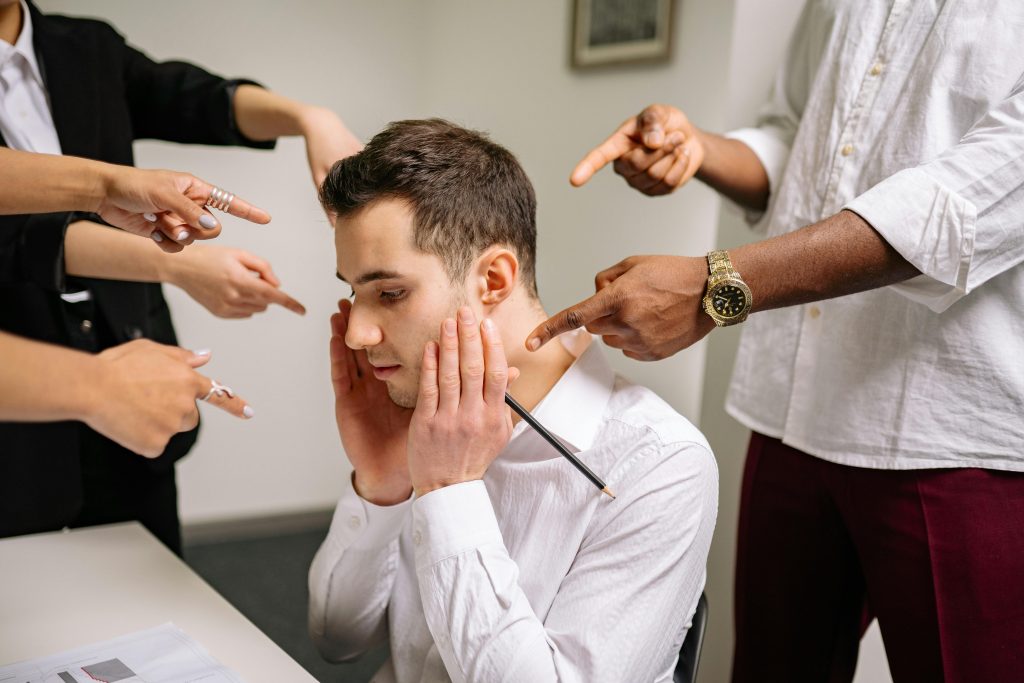
If supervisors or managers observed the conduct and did nothing, that inaction can expose the employer to liability. Bystander awareness can help demonstrate that harassment was not hidden, isolated, or unexpected.
California harassment claims often rely on more than just the victim’s account. Employers frequently deny wrongdoing or argue that the conduct was isolated, exaggerated, or misunderstood. Bystanders can provide independent confirmation that harassment occurred and that it was known within the workplace. Bystander testimony can help establish:
This type of corroboration can significantly strengthen your claim.
Bystanders who speak up, support a coworker, or participate in an investigation are protected under California law. Retaliation against a bystander for reporting harassment, cooperating in an investigation, or providing testimony is unlawful. Employers may retaliate with:
Importantly, retaliation protections apply even if the original harassment claim is later disputed, as long as the bystander acted in good faith.
While the law does not generally require coworkers to report harassment, silence can sometimes complicate a claim. Employers may argue that no one complained, no one objected, or no one appeared uncomfortable. However, in some cases, supervisors who remain silent despite witnessing workplace harassment may prove the employer’s liability for failing to fulfill their responsibilities.
Bystanders who witness harassment can take steps to protect themselves while supporting a safer workplace:
These actions can help create accountability without placing you at unnecessary risk.